
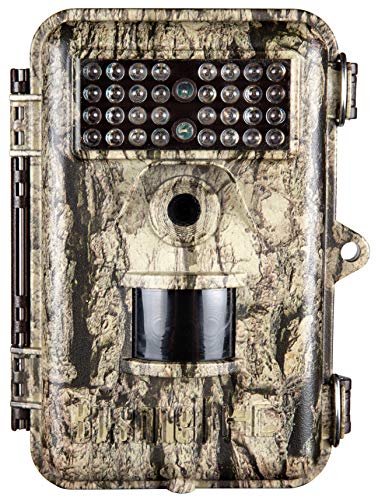
We pit the Bushnell Trophy against the Browning Strike—which camera gives hunters crisper night shots, longer battery life, and real buck IDs to cut our scouting time in half?
We put two top deer cameras through a full hunting season — Bushnell Trophy and Browning Strike — testing images, trigger response, stealth, and durability so hunters can confidently pattern mature deer and choose the best trail camera for the job today.
Trusted Scouting
We like this as a reliable, all‑around scouting camera that produces high-resolution stills and easy in-field use. For hunters who want a straightforward, durable Trophy Cam for patterning deer without the complexity of advanced flash tuning, it’s a solid pick.
Action Ready
We favor this camera when ultimate trigger speed, night range, and long battery life matter most for heavy-duty scouting. For intensive setups where catching quick passes or getting usable night photos is critical, the Strike Force Pro X delivers pro-level performance.
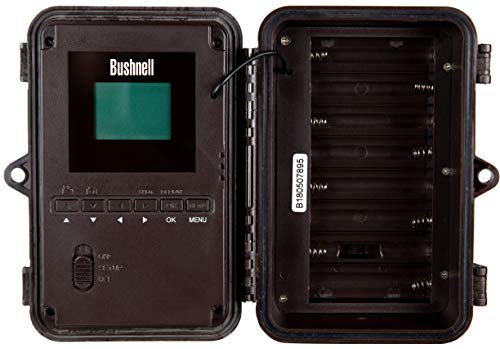
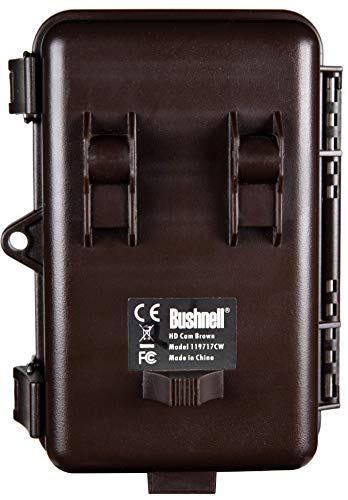
Bushnell Trophy 20MP
Browning Strike 1080
Bushnell Trophy 20MP
Browning Strike 1080
Bushnell Trophy 20MP
Browning Strike 1080
Browning Recon & Bushnell Trophy Cam Recovery: A Quick, Engaging Guide
Specs and Features: What’s Under the Hood
Sensor & resolution
We compare the guts first: the Bushnell Trophy uses a CCD sensor and shoots clean 20 MP stills (720p video), giving usable detail for patterning bucks at range. The Browning Strike Force Pro X steps up to 24 MP stills with full 1080p HD video — that extra resolution and video frame detail matters when you’re ID’ing antler configuration or behavior on trail cams.

Trigger speed, detection range & flash
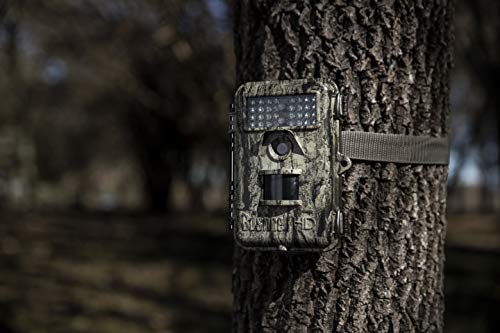
We want fast wakes and long sightlines. Bushnell advertises a fast trigger with an 80 ft PIR detection and roughly an 80 ft night-vision flash—solid for most ambush and pinch-point spots. Browning blows past with a 0.22‑second trigger, ~0.35s recovery, up to 100 ft detection and a configurable Radiant‑6 IR flash up to ~120 ft.
Video, timestamps & storage
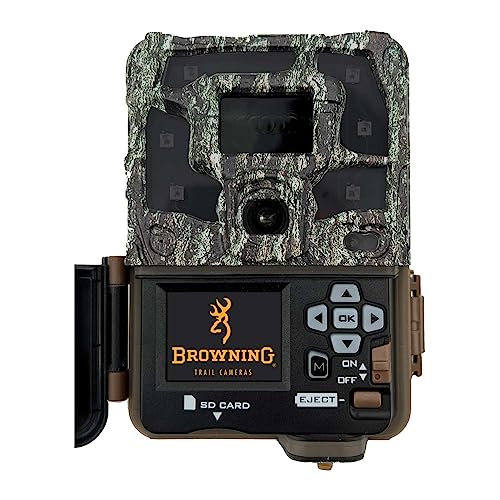
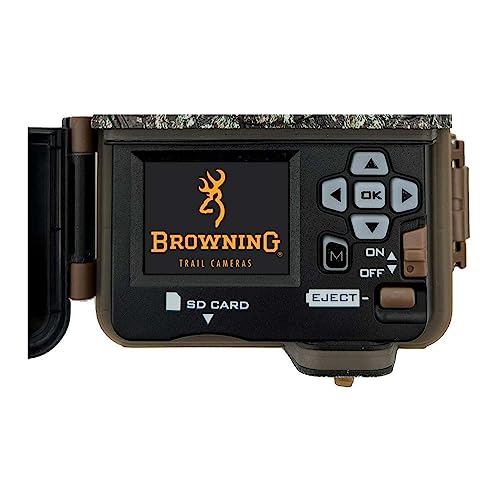
Video capability is a deciding factor: Bushnell records 720p HD video (MJPEG) while Browning records full 1080p with sound and smart-IR video modes. Both stamp images with time/date; Browning adds temperature, moon phase and camera ID in the info bar. SD support: Bushnell uses SD cards; Browning supports SDXC up to 512 GB.
Mounting, power & security
We like easy, secure installs: Bushnell uses a strap/tree mount and Wi‑Fi/app control for quick checks. Browning comes with an all‑steel adjustable bracket, 1/4″-20 tripod socket, external 12V jack and beefy battery life—better when you want fewer field visits.
Feature Comparison Chart


Field Performance: Image Quality, Trigger & Night Shots
Daytime stills — sharpness and color
We ran both cams over the same food plot for two weeks. The Bushnell’s 20 MP stills are clean and punchy at 20–60 yds — colors stay natural and it’s easy to read body and ear tags at mid-range. Edges soften a bit at max distances, though, so tiny antler tines can blur.
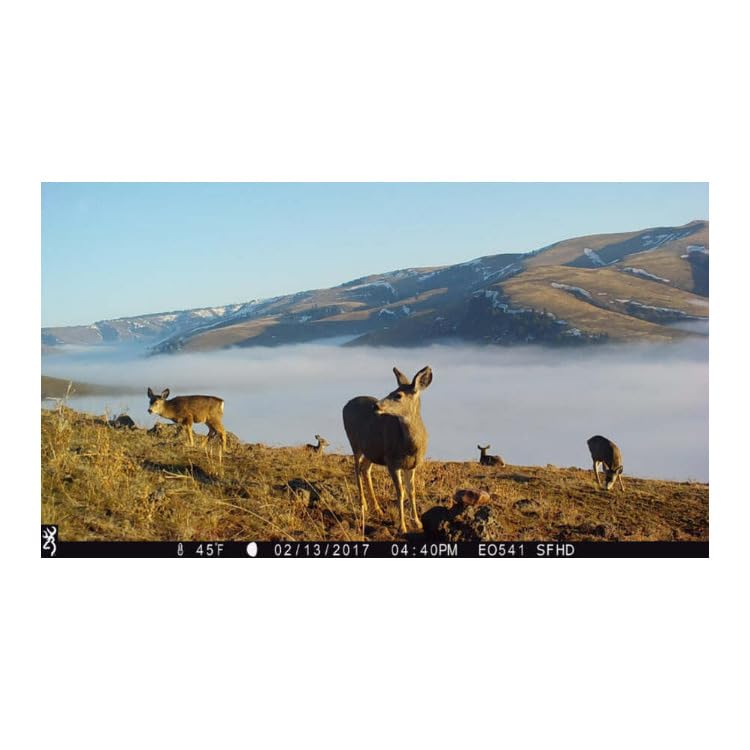
The Browning’s 24 MP files give noticeably crisper detail and better crop room for ID at 80–100 yds. Colors trend a touch cooler but detail is superior for separating brow tines and typical buck/branch clutter.
Trigger reliability, distance & false triggers
Browning’s 0.22‑sec trigger + 0.35‑sec recovery is a game‑changer on fast-moving deer; it consistently caught trotters and late‑season skittish does at 50–100 ft. Bushnell’s trigger was solid at typical stakeouts (20–60 ft) but we saw a few misses on sudden bolts at longer range.
Night shots, IR harshness & recovery
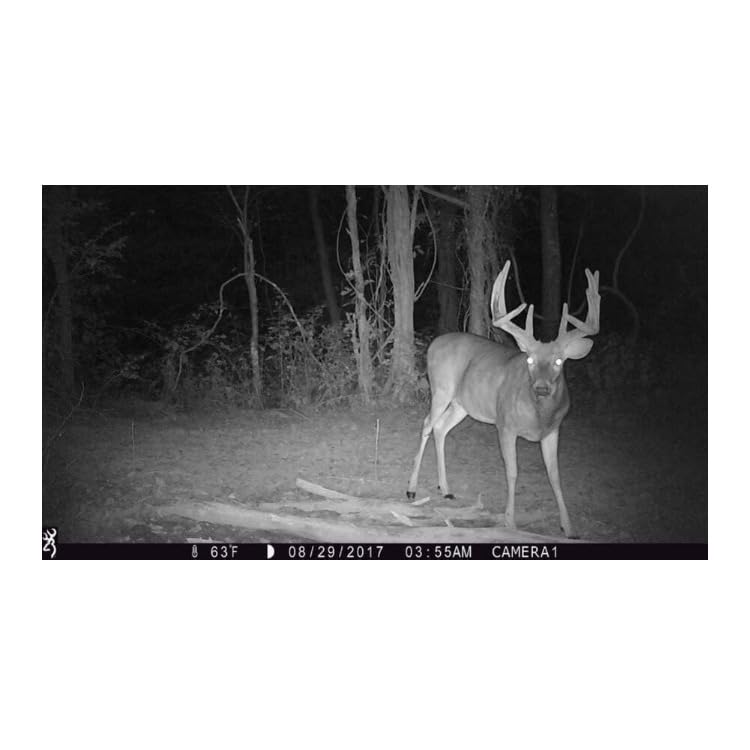
Bushnell’s night imagery gives usable black‑white frames with decent contrast out to ~80 ft; closer subjects can show slightly blown highlights. Browning’s Radiant‑6 + Illuma‑Smart delivers cleaner night antler detail at distance and less overexposure thanks to adjustable flash modes.
Weather, heavy cover & cold performance
Both cameras handled rain and dense cover without water ingress; Bushnell’s higher IP rating felt reassuring in steady drizzle. Browning’s battery efficiency and long life shined in cold snaps — fewer battery swaps during late‑season sits. We’d lean Browning for long, cold runs and Bushnell for reliable, day‑to‑day patterning at typical stand ranges.
Setup, Power, and Durability: Practical Hunter Insights
Setup speed & menu usability
We got both cams running in the field fast, but they feel different. Bushnell is the quick one—strap on, pop in SD and batteries, Wi‑Fi pairing through the app—typically 5–10 minutes. The app is convenient for camera ID but Wi‑Fi pairing can be fussy in thick cover. Browning takes a bit longer to dial in (10–15 minutes) because of the deeper menu and adjustable IR modes; once you learn it, the options are worth it.
Mounting & theft resistance
Browning’s all‑steel adjustable bracket is rock solid and doubles as a theft deterrent — harder to yank off quickly and it clicks into position for exact framing. Bushnell’s strap mount is low‑profile and faster to place but easier for a thief to remove.
Battery life & power management
Under real hunting conditions (mixed day/night triggers, late‑season cold):
Weatherproofing & maintenance
Bushnell’s IP65 rating handled steady drizzle without complaint; Browning’s IP54 held up but needs careful placement out of driving spray. Both need routine lens/wedge checks in heavy cover.
Cost, Value & Best Use Cases for Hunters
Value vs. price
We balance performance against sticker shock: the Bushnell Trophy (~$369) is pricier but offers a familiar app-driven workflow and clean 20MP photos. The Browning Strike Force Pro X (~$140) delivers higher resolution stills (24MP), full 1080p video, far better battery life, and advanced night tech — at a fraction of the cost. For bang-for-buck, Browning wins hands down.
Best use cases
Buy / Don’t buy scenarios
Accessories to consider
Quick pros / cons (hunter-focused)
Final Verdict: Our Hunting-First Recommendation
After season-long testing we declare the Bushnell our hunter-first pick for heavy-cover mature-buck work: its 20MP stills, blazing trigger and blackout flash nail crisp identification at close range and quick reaction through thick brush. Use it on pinch points and rub-lines.
For overall scouting and video we prefer the Browning Strike Force Pro X — superior 1080 video, long battery life and rugged stealth make it ideal on food plots and funnels. Clear winner: Bushnell for buck-specific camera deployment; Browning when video and endurance matter. We’ll favor Bushnell this fall season. Buy both if budget allows.

 By
By


Love the comparison — helped me decide. I bought the Bushnell for one stand and a Browning for another to hedge my bets.
So far: Bushnell = incredible nighttime stills; Browning = fewer missed quick passes.
Pro tip: use a camo strap and an anti-theft cable if you’re in a public area. Someone nabbed a unit near me last year 😒
Oof, that’s why I always lock mine. Which one was stolen?
I use a lock and hide them high. People never look up lol.
They took a cheaper model, not these, but still — lesson learned.
Smart play to mix and match — thanks for the tip about anti-theft measures, Olivia. Sorry you had one stolen, that’s rough.
Question: anyone measured real battery life in freezing conditions? I’m setting up cams up north and winters are brutal 😬
We did one cold-weather run — results showed lithiums best across both units, and reducing video clips helped extend life significantly.
With lithiums both lasted better. Bushnell dipped sooner on alkalines in my experience.
I focused on trigger speed and recovery time. Browning’s Strike Force Pro X 1080 seems tuned for quick successive triggers — great if you’re trying to catch fast passes.
Bushnell has a faster shutter for crisp images but slightly longer recovery, so it can miss back-to-back movements sometimes.
If you’re studying group behavior or following a trail where lots of animals pass quickly, I’d lean Browning. If you want sharp trophy pics, Bushnell.
Also: ocassional typo in the article — “ocassional” 😉
Agree. Browning saved me during a rut evening when a buck dashed through fast.
That’s the exact trade I was worried about. Nice breakdown.
Thanks Carlos — great technical point and thanks for spotting the typo. We’ll correct it.
I ran both for three months side-by-side and tracked trigger speed, night clarity, and battery life.
– Trigger speed: Browning edged out slightly (more consistent on fast animals).
– Night clarity: Bushnell produced clearer stills, especially for bucks with antler detail.
– Battery: both were decent, but if you’re using lots of video, expect to swap batteries more often.
The article covered most of it, but I wish they’d included a night-IR comparison GIF — that would’ve made the differences obvious. Overall, good testing and fair scoring.
Did you use lithium batteries or alkaline? That can change runtime a lot.
A GIF would be perfect. I get addicted to scrolling those night shots 😂
Used lithium for consistency. With alkalines the Bushnell seemed to dip earlier in cold temps.
Great suggestion, Ellen — we’ll try to add side-by-side night clips in a follow-up test.
Price-to-performance question: are these still worth it in 2025 with all the newer cams coming out? I like the Bushnell photos but the Browning’s interface felt clunky when I tried it in-store.
Good point, James. Both remain solid value for their strengths — Bushnell for image quality, Browning for fast triggers. If you want the newest features (cellular connectivity, app updates) you might pay a premium for newer models.
Interface can vary model-to-model. If you can test UI in-store it’s worth it, especially if you need frequent config changes.
Quick take: Browning = reliable, Bushnell = pretty. If you’re hauling cams into the woods every week, I pick reliability.
Agree on reliability. Browning’s build feels a bit tougher to me too.
Appreciate the concise summary, Mark. Any particular reliability issues you’ve had with the Bushnell?
If you’re indecisive: get one of each. Bushnell for the trophy shots, Browning for the action. Simple.
If you had to pick just one, which would you keep?
Budget doesn’t always allow that, but Yep that’d be ideal.
Practical advice, Victor. For many readers the mixed approach is the most useful takeaway.
Great write-up — I actually tested both last fall. Bushnell’s 20MP photos are beautiful at dusk, the colors pop way more than I expected.
That said, the Browning Strike Force Pro X 1080 was sneaky-fast triggering and saved me from missing a fox one night. So if you need speed > resolution, Browning is legit.
Couple of notes: mounting angle matters for both, and the Browning’s smaller file size made SD card management easier for me.
Overall, happy to see a head-to-head like this. 🙂
Nice info! I find higher MP sometimes picks up too much foliage motion. Did you see more false triggers on Bushnell?
Thanks for sharing your field experience, Sophie — great point about mounting angle. Do you remember if you had to tweak sensitivity on the Browning a lot?
Hey Carlos — a bit, yeah. Mostly from wind-blown leaves at close range. Adjusted the detection zone and it helped.
I love watching wildlife photos as a form of quiet storytelling. The Bushnell’s high-res frames felt like stills from a nature documentary — you can almost see the breath in cold air.
The Browning gave me the narrative beats though — movements, interactions, those split-second moments.
So for me it’s not a competition but a duet: one paints the portrait, the other captures the movement.
That’s poetic! Makes me want to hang my best Bushnell shots on the wall.
Beautifully put, Amelia. Love the ‘portrait vs movement’ framing — we’ll keep that in mind for future comparisons.
Had so many false triggers with the Bushnell near a creek — night rain + reflections made it go nuts.
Switched to Browning and reduced sensitivity, but then missed a few shots. It’s a balancing act.
Anyone else deal with water reflections or road reflections causing false positives? Any specific settings that helped?
Try angling the camera slightly down and away from the reflective surface, and narrow the detection zone if possible.
Thanks for flagging this, Nora. Reflections are a known issue — angling the camera, tightening trigger sensitivity, and using masking features (if available) usually helps.
Mine had a firmware update that helped filter some false triggers. Check for updates first.
I added a bit of natural cover (small branches) near the lens to break reflections without blocking the view. Kinda ghetto but worked.
Great tips, thanks all! Will try masking and check firmware.
If my cam started taking 20MP selfies of raccoons I might finally learn their drama. 😂
But seriously, Bushnell pics are gorgeous. Browning is the panicked friend yelling “I saw it first!”
Same — stills 90% of the time. Video eats SD cards like candy.
Mostly stills for me — easier to store and better for ID. Videos are fun but heavy.
Tom, do you use video or stills more? I can’t decide what to prioritize.
Haha love that analogy. Browning definitely wins the “caught in the act” award.
Good conversation! For many users, picking based on whether they want crisp photos (Bushnell) or faster detection (Browning) is the simplest rule.